
Buying a flute
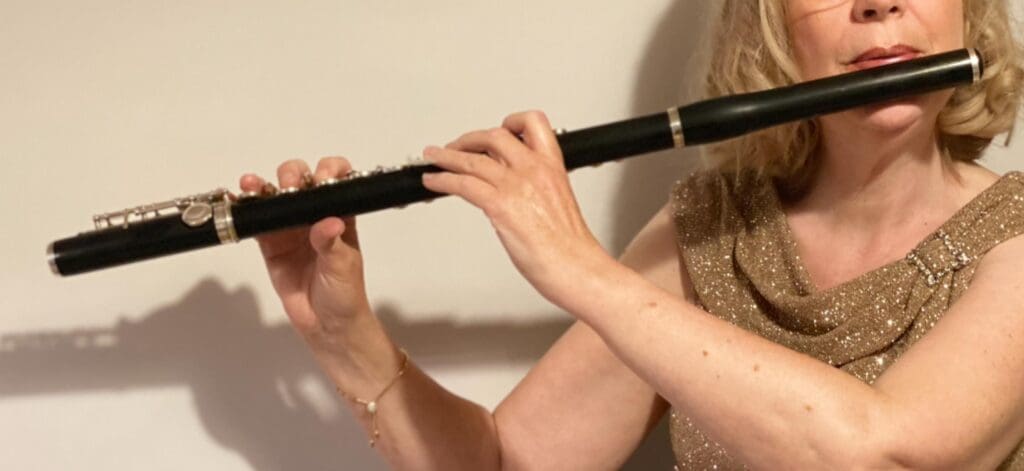
Buying Your First Flute: What Every Beginner Should Know
One of the most common things I see when a new student comes for their first flute lesson is that they have already bought an instrument. It seems logical: “if I’m going to learn the flute, I need to own a flute first.”
Unfortunately, this can sometimes lead to an expensive mistake.
I regularly meet beginners who have bought a very cheap second-hand flute online, often through marketplaces such as Amazon or eBay. They may have found what appears to be a bargain, but once we try to play it, we discover that the flute is poorly made, damaged or simply very difficult to play.
And if a flute is difficult for an experienced player to play, imagine how frustrating it can be for someone who is just starting out.
Instead of spending those first few months learning how to produce a beautiful sound and developing good technique, the student can end up fighting against the instrument. It can be difficult to produce notes, the mechanism may not work properly, and the flute may be badly out of tune.
My heart sinks when this happens because I know that the student has often spent money on an instrument that they will eventually need to replace.
This is why I always recommend speaking to a flute teacher or a reputable flute specialist before buying your first flute.
What should you look for when buying a beginner flute?
If you are looking for your first flute, particularly if you are buying a flute online, don’t simply choose the cheapest instrument you can find.
A good beginner flute should be reliable, mechanically well made, comfortable to hold and capable of producing a good sound. It should also be properly set up so that you are learning on an instrument that works with you rather than against you.
I strongly recommend buying from a reputable specialist flute dealer rather than an unknown seller or marketplace listing. A good dealer should be able to advise you on suitable instruments, provide a proper warranty and stand behind the quality and workmanship of the brands they sell.
For players in the UK and Europe, I recommend:
For players in the USA:
These specialist dealers can also give you the opportunity to try several instruments before making your decision.
Which flute is best for a beginner?
One of the most commonly recommended beginner flutes is the Yamaha 200 series.
The Yamaha YFL-212, for example, is a popular student flute and is designed specifically for developing players. Features such as the offset G and split-E mechanism can make the instrument comfortable to play and can help with the response of the high E.
You can find the Yamaha YFL-212 at All Flutes Plus here:
All Flutes Plus – Yamaha YFL-212
Why do so many teachers recommend Yamaha?
There is a good reason that Yamaha student flutes are so widely used.
They are consistently well manufactured, their mechanisms are generally reliable and they tend to retain their mechanical precision well with regular care and maintenance. They are also designed to play well in tune and provide a dependable instrument on which a beginner can develop their technique.
Another advantage is that a good-quality student flute can last for many years.
Many of my pupils have continued playing their beginner Yamaha well beyond their early grades, sometimes right through to Grade 8, before deciding that they are ready to invest in a more advanced instrument.
That can make a good beginner flute a much better investment than buying a very cheap instrument and then having to replace it after only a few months.
Should I buy or rent a beginner flute?
Buying isn’t the only option.
If you aren’t sure whether you or your child will continue learning the flute, renting an instrument can be an excellent way to start. It allows you to begin lessons without making a significant investment straight away.
If you are more confident that flute playing is something you want to pursue, buying a good-quality student instrument can make sense.
The important thing is not to let price be your only consideration. A cheap flute isn’t necessarily a bargain if it prevents you from learning properly and ultimately has to be replaced.
Try before you buy
One of the biggest advantages of buying from a specialist flute dealer is the opportunity to try several instruments.
The dealers I have mentioned can send you a selection of flutes to try before you make your final choice. You could even try several examples of the same model and choose the one that feels and sounds best to you.
This is particularly useful because every player is different. What feels comfortable and responsive to one person may not feel quite the same to another.
And if you would like a teacher to help you choose, that’s even better.
For example, All Flutes Plus can arrange for instruments to be sent to me so that I can help a student compare them and make a more informed decision.
Don’t buy your first flute alone
If there is one thing I would like you to take away from this article, it is this:
Please speak to a flute teacher before buying your first flute.
I would much rather spend a little time helping a new student choose the right instrument than see them arrive at their first lesson with a flute that is going to make learning unnecessarily difficult.
A good beginner flute doesn’t need to be expensive. It simply needs to be ‘well made, properly set up and suitable for the player’.
Choosing the right instrument at the beginning can make learning the flute more enjoyable, more productive and considerably less frustrating.
If you are thinking about buying a flute and would like some advice, please feel free to get in touch. I’d be very happy to help you decide what would be suitable for you or your child.
Happy flute playing!
**Kay**
Leave a Reply